

Last updated September 10, 2026
Full 25-point door and opener safety check with every visit - springs, cables, rollers, tracks, and your LiftMaster or Chamberlain opener included
You get a price before we start. It does not change when the truck arrives.
 Before
 After
After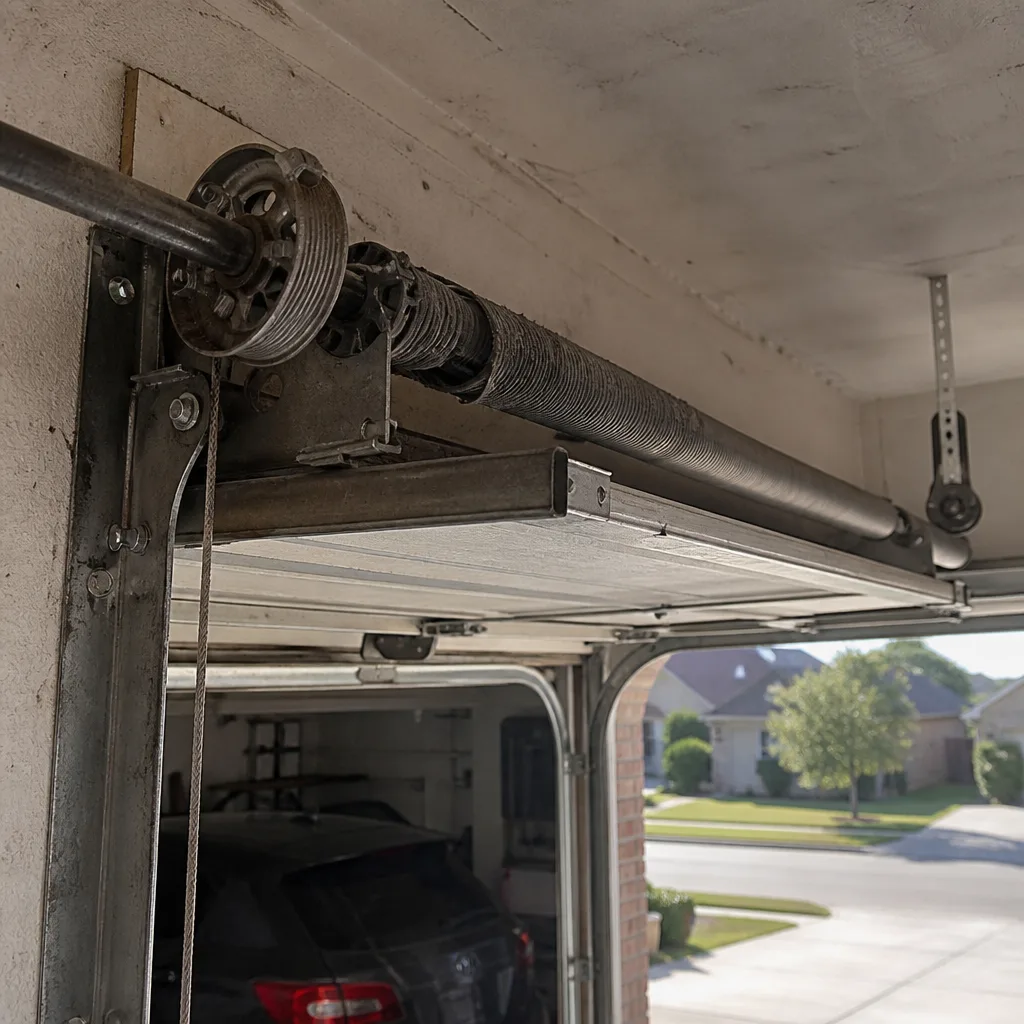 Before
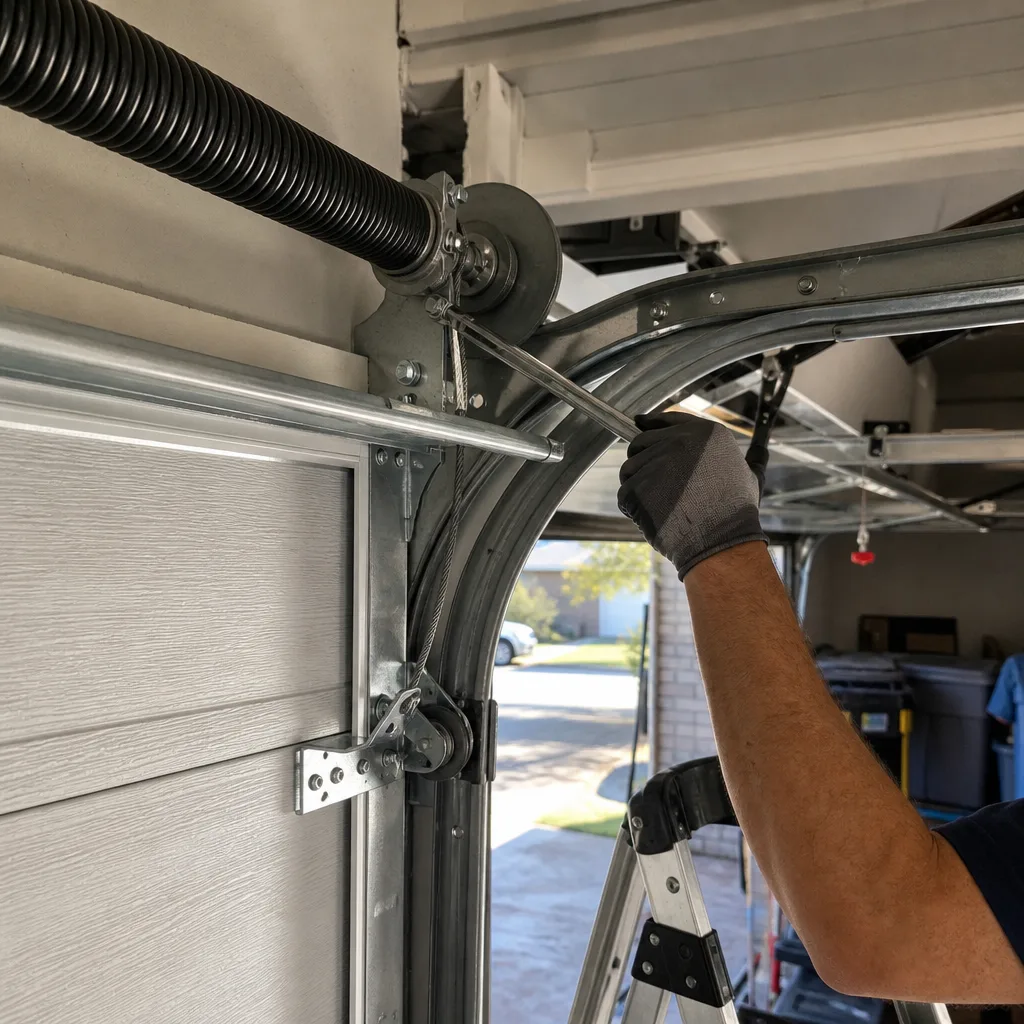 After
After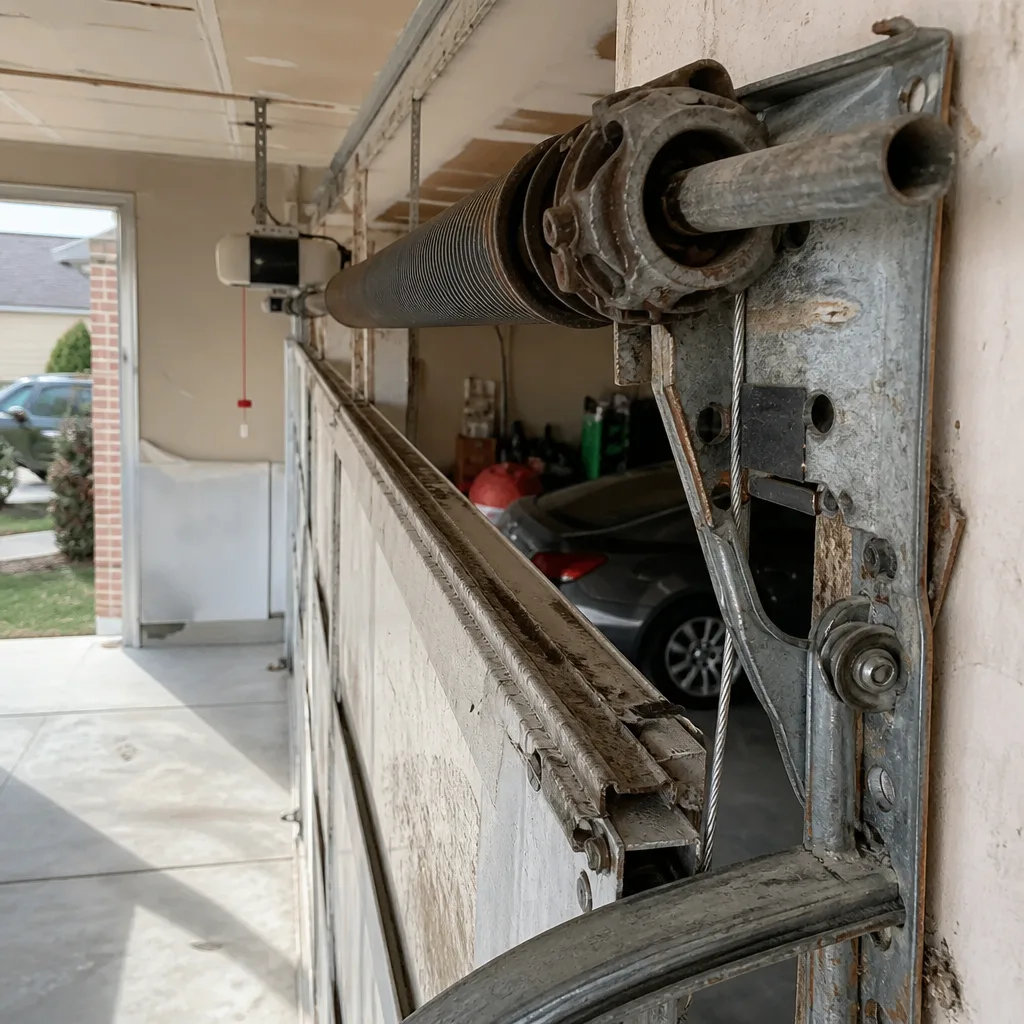 Before
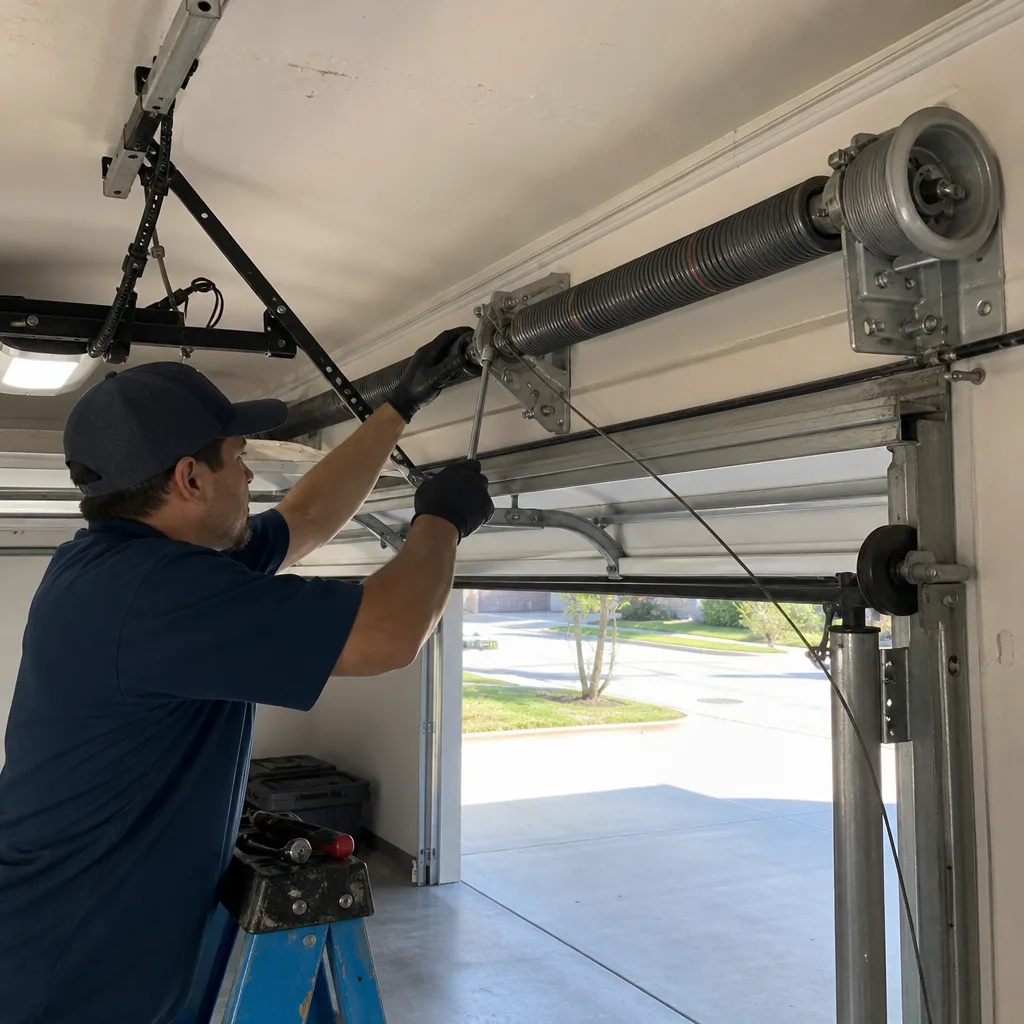 After
AfterGarage Door Permits, Codes & Inspections in TX: What You Need to Know
Texas doesn’t license garage door contractors at the state level. Read that again. Most homeowners assume someone, somewhere in Austin is keeping a registry of who’s allowed to hang a 400-pound door over their car. There isn’t. That means the permit and inspection process isn’t bureaucracy for its own sake - it’s the only consumer protection layer standing between you and a door installed wrong. If you live in McKinney, the rules are more specific than you think, and getting them wrong can cost you real money when you sell or file an insurance claim. Here’s what Texas actually requires, what McKinney enforces, and why the paperwork matters more than the door itself. For more guides & resources on protecting your home, explore our blog.
Quick Answer
Most garage door repairs in McKinney don’t require a permit, but new door installations and structural modifications do. A permit costs between $50 and $150 depending on the scope, and inspections are typically scheduled within 1 to 3 business days. The moment a contractor tells you “we don’t need a permit for this,” verify it yourself through the McKinney Development Services Department - because when the unpermitted work shows up on a title search, it’s your problem, not theirs. Our Garage Door Warning Signs: A McKinney Homeowner’s Reference Guide covers other red flags to watch for.
Table of Contents
- When McKinney Actually Requires a Permit
- The IRC, Wind Load, and Why McKinney’s Tornado Corridor Changes Everything
- The Title and Insurance Problem: What Unpermitted Work Actually Costs You
- How to Pull Your Own Permit in McKinney: The Step-by-Step
- Fire Separation Code: Why Weatherstripping Is a Code Requirement
- What a Failed Inspection Triggers - and How to Avoid One
- McKinney Cost Breakdown: Permit Fees, Inspection Fees, and What to Expect
- Common Mistakes to Avoid
- When to Call a Professional
- Frequently Asked Questions
- The Bottom Line
When McKinney Actually Requires a Permit
McKinney doesn’t hand out a blanket answer on garage door permits. The rule is specific, and it frustrates people because it splits the difference between repair and replacement. Here’s the actual threshold from the city’s Development Services Department: if you’re swapping a broken spring, replacing rollers, installing a new opener, or fixing a bent track, no permit is required. That’s maintenance and repair. But the moment you remove the existing door and replace it with a new one - or if you’re cutting a new opening for a door where one didn’t exist before - you need a building permit. Structural changes, including enlarging a garage door opening or converting a carport into an enclosed garage, always require one.
Why does McKinney care about a door swap? Because a garage door is a structural component of the building envelope. It’s the largest opening in most homes. If it’s installed wrong, it’s not just a noisy door - it’s a vulnerability in the wall assembly that affects everything from wind resistance to fire containment. The city’s inspectors aren’t checking whether the door looks pretty. They’re checking that the install meets Collin County’s adopted building codes and that the door itself carries the right wind-load rating for our zone.
Here’s the part most people miss: the permit requirement follows the outcome, not the method. You can call it a “repair” all day, but if the old door comes off the hinges and a new one goes up, that’s a replacement and the city wants to know about it. We’ve had homeowners in Stonebridge Ranch and Eldorado tell us their contractor said “we’ll call it a repair.” That’s a red flag. If the work needs a permit and someone’s trying to talk you out of it, they’re protecting their schedule, not your house.
One more nuance: McKinney follows the same permit logic as most Dallas-Fort Worth suburbs - Plano, Frisco, Allen, and Richardson all use similar thresholds. If you’re in McKinney’s ETJ or an unincorporated pocket of Collin County, the city won’t have jurisdiction and you’ll need to check with the county directly. But inside city limits, the rule is the rule.
For the most common scenarios - a broken spring, a snapped cable, an opener that won’t lift - you don’t need to touch the permit portal at all. We handle those as emergency repairs every day. But when the whole door is coming down, the paperwork has to go up. Our garage door repair in McKinney page covers which jobs are repairs versus replacements in more detail.
The IRC, Wind Load, and Why McKinney’s Tornado Corridor Changes Everything
McKinney adopts the International Residential Code (IRC) with local amendments, same as most Texas municipalities. The IRC applies to one- and two-family dwellings, and it devotes an entire section to garage doors because of two things: wind resistance and fire separation. Most homeowners never think about either until the first storm season or the first home inspection.
Let’s talk wind first. McKinney sits at the southern edge of what storm researchers loosely call Tornado Alley, and our spring storm season produces straight-line winds that regularly exceed 70 mph even without a tornado touchdown. The IRC requires garage doors to be designed and labeled for the wind speed of the home’s location. In practice, for McKinney, that means a wind-load rating of 90 mph or higher for most residential doors. A door that isn’t rated for our wind zone can fail catastrophically during a storm - and when a garage door blows in, the pressure differential can lift the roof off the house. That’s not exaggeration. The National Weather Service documents it in almost every major storm damage survey.
What does this mean for you? When you buy a door in McKinney, the manufacturer’s label should list a wind-load rating and a design pressure rating. If it doesn’t, don’t buy it. We install doors from manufacturers like Clopay and Amarr that carry explicit Texas wind-load certifications. The permit inspector will check the door’s labeling as part of the inspection. If the door doesn’t carry the right rating, you fail inspection - and the fix isn’t cheap.
There’s also the matter of reinforcement. In high-wind zones, the IRC requires garage doors to have vertical steel reinforcement struts or other approved bracing. A door without reinforcement in McKinney will fail the inspection. Period. We’ve seen doors from big-box retailers that were ordered online without any wind consideration, and the homeowner didn’t discover the problem until the inspector red-tagged the install. Don’t let that be you.
The practical takeaway is this: code compliance isn’t a suggestion, and in McKinney’s wind zone it isn’t a luxury. It’s the difference between a door that survives a March storm and a door that becomes a sail. If you’re shopping for a new door, ask the seller two questions: what’s the wind-load rating, and does it include reinforcement? If they can’t answer both, walk away.
The Title and Insurance Problem: What Unpermitted Work Actually Costs You
Here’s where the rubber meets the road, and it’s the part competitors don’t write about. When you go to sell a house in McKinney, the buyer’s title company runs a permit search on the property. They compare the city’s permit records against the current condition of the house. If the garage door was replaced in 2019 and there’s no permit on file for it, the title company flags it. The buyer’s lender often requires the issue to be resolved before closing.
What does resolution cost? The homeowner has three choices. One, pull an after-the-fact permit - which means paying double the standard fee in many Texas municipalities, plus bringing the door up to current code if it wasn’t already. Two, negotiate a price reduction with the buyer to cover the buyer’s assumption of the unpermitted work - a number that typically lands between $2,000 and $5,000 on a McKinney home sale. Three, lose the deal entirely. None of those is a good outcome.
Then there’s the insurance side. Texas insurance policies broadly require that covered structures were built and modified according to code. If your garage door fails during a storm and the insurance adjuster discovers the door was installed without a permit - and more specifically, without the wind-load rating the IRC requires - the claim can be denied or reduced. We’re not talking about a hypothetical. Insurers in Texas have become far more aggressive about subrogation and claim denial since the hail and wind events of 2019 and 2021. An unpermitted door is a reason for the carrier to say no.
The dollar amount here isn’t small. A denied roof-and-door claim after a Texas windstorm can run $15,000 to $40,000. All because a contractor convinced you the permit wasn’t necessary. The contractor isn’t the one holding that bag - you are, because the permit is tied to the property, not to the person who did the work. When the work is done right and the permit is closed, the title company stays quiet and the insurance carrier pays. It’s that simple, and that’s the whole argument for doing it correctly the first time.
How to Pull Your Own Permit in McKinney: The Step-by-Step
If your contractor won’t pull the permit, you can pull it yourself. It’s not as intimidating as it sounds, and the McKinney permit portal is one of the more usable ones in Collin County. Here’s the sequence:
- Register on the McKinney permit portal. Go to the city’s Development Services page and create an account. You’ll need your property address and a valid email address.
- Select the permit type. For a garage door replacement, you’re looking for a Residential Building Permit with a scope of “garage door replacement” or “minor residential alteration” depending on how the portal phrases it that year.
- Upload documentation. The city wants the door’s wind-load certification, the manufacturer’s product approval, and a brief description of the work. If the door is custom, include the shop drawings.
- Pay the fee. Expect $50 to $150 depending on the valuation of the work. The portal takes credit cards.
- Schedule the inspection. After installation, you log back in and schedule a final inspection. The inspector comes out, checks the door, checks the fire separation, and signs off if everything meets code.
- Close the permit. Once the inspection passes, the permit is finaled and the record is updated. Keep the finaled permit - you’ll want it when you sell.
A note for homeowners doing this with a contractor: if the contractor refuses to put their name on the permit, that tells you something. It tells you they don’t want their license attached to the work. A legitimate operator will pull the permit in their name without blinking. The homeowner-permit path is a workaround, not a preference - it protects you, but it shifts more paperwork onto your shoulders.
In McKinney, the average turnaround from permit application to approval is 3 to 7 business days. Inspections are typically scheduled within 48 hours of the request. Plan your project accordingly. The inspector will not drive out the same afternoon you call.
Fire Separation Code: Why Weatherstripping Is a Code Requirement
The IRC draws a hard line between an attached garage and the living space above or beside it. That line has a name: the fire separation wall. For attached garages, the wall and ceiling between the garage and the house must provide at least a 30-minute fire resistance rating. The door from the garage into the house must be a solid wood door, a steel door, or a 20-minute fire-rated door, and it must be self-closing.
Where do garage door materials and weatherstripping fit into this? The vehicle door itself isn’t required to be fire-rated in the same way, but the bottom seal and the perimeter weatherstripping serve a fire-and-fumes function that code cares about. A garage door that doesn’t seal properly allows vehicle exhaust, stored solvents, and other fumes to migrate into the living space. The IRC’s ventilation and opening requirements for attached garages exist specifically because of this. A door with a missing bottom seal isn’t just letting cold air in - it’s a pathway for carbon monoxide.
McKinney inspectors pay attention to this during the final inspection on a replacement. If the door doesn’t close tightly against the slab and the jambs, it can fail. We’ve had inspections flagged because a concrete slab had settled and the door left a gap at one corner. The fix was a new threshold seal, and yes, it mattered. The inspector wasn’t being difficult - a gap under a garage door is a real hazard in a room where people store gasoline, propane, and lawn chemicals.
The practical takeaway: when you buy a new door in McKinney, don’t skip the weatherseal. It’s not an upsell. It’s part of the fire separation system between your car’s exhaust and your bedroom. And if you’re doing a repair that changes the door’s seating - like a new bottom panel or a track adjustment - make sure the seal is replaced at the same time. The opener work we do in McKinney always includes a seal check for this exact reason.
What a Failed Inspection Triggers - and How to Avoid One
A failed inspection in McKinney isn’t the end of the world, but it does trigger a process. Here’s how it works: the inspector leaves a written correction notice that lists the specific deficiencies. You fix the issues and schedule a re-inspection. The re-inspection fee in McKinney is typically $50 to $75. If you fail again, the fees climb and the inspector’s patience shortens. Three failures, and the city may require a licensed engineer’s letter before they’ll look at the door again. That’s a $500 problem on top of whatever was already wrong.
The most common reasons garage door replacements fail inspection in McKinney, in our experience:
- No wind-load label on the door. The inspector can’t verify the rating without the label, and they won’t take your word for it.
- Missing reinforcement struts. In our wind zone, the door has to be braced. A bare door fails.
- Improper fire separation at the man-door. If the door from the garage into the house isn’t self-closing or isn’t a solid door, the inspector will flag it even if the vehicle door is fine.
- Poor weatherseal at the bottom. A visible gap under the door is a fail. The slab may need a threshold repair.
- Photoelectric sensors out of alignment. The door’s auto-reverse sensors have to be installed within 6 inches of the floor and tested during the inspection.
Most of these are avoidable if the installer knows the code. That’s the argument for using someone who does this every day, not a handyman who’s “done a few doors.” If you’re not sure how to vet your installer, see our How to Hire a Garage Door Contractor in McKinney: A Step-by-Step Guide. A door installed wrong fails inspection, and every day it sits unapproved is a day your title isn’t clean and your insurance has an out. The 90-Day Done Right Promise we put on every job exists because we’d rather fix it than argue about it - but the goal is to get it right before the inspector ever shows up.
McKinney Cost Breakdown: Permit Fees, Inspection Fees, and What to Expect
Money talks, so let’s talk numbers. Here’s what a permitted garage door replacement costs in McKinney in 2025, broken down by line item:
- Building permit fee: $50 to $150, based on the declared valuation of the work.
- Inspection fee: $0 for the initial inspection (included in the permit), $50 to $75 for each re-inspection.
- Door with wind-load rating: $1,800 to $4,500 for a mid-range steel door in McKinney, installed.
- Reinforcement struts: $80 to $200, depending on the door width and gauge.
- Weatherseal and threshold: $30 to $90.
- After-the-fact permit (if you skipped it the first time): double the standard fee, plus any code upgrades required.
Compare that to the cost of not pulling the permit: $2,000 to $5,000 in price reduction at sale, or a denied insurance claim that runs five figures. The permit is the cheapest line item on the whole job. We tell every McKinney homeowner the same thing: if a contractor tells you the permit is optional to save you $75, they’re asking you to carry a five-figure risk on their behalf.
Common Mistakes to Avoid
- Believing the contractor when they say “we don’t need a permit.” That sentence is often the first sign you’re working with someone who cuts corners. Verify every time. McKinney’s Development Services phone line is answered by a real person who will tell you the answer in two minutes.
- Ordering a door online without checking the wind-load rating. A bargain on a wind-unrated door becomes a failed inspection and a return-shipping fee. We’ve seen this happen in McKinney’s Craig Ranch and Highlands neighborhoods.
- Treating weatherstripping as optional. It’s a code requirement tied to fire and fume separation, not a comfort feature. Skimping on the seal is skimping on safety.
- Reusing old track and hardware with a new door. New doors are heavier and built to modern standards. Old tracks bend and old hardware fails. The inspector will catch it, and so will gravity.
- Pulling the door down before checking whether the permit is approved. Once the old door is off and the opening is exposed, the clock is running. Get the paper first.
- Not keeping the finaled permit. The closed permit is your proof when you sell. File it with your home records. When the buyer’s title company comes looking, you’ll have the answer.
When to Call a Professional
If the job is a spring replacement, cable repair, or opener troubleshooting, that’s a repair - no permit needed, and it’s the kind of work we handle same-day in McKinney. For a full breakdown of what to check seasonally, see our Garage Door Repair Maintenance Checklist for McKinney Homeowners. But high-tension springs carry serious energy, and a door is 200 pounds riding on two springs; respect it. If the job is a full door replacement, if you need to cut a new opening, or if you’re doing a carport-to-garage conversion, get the permit and get someone who installs doors every week, not someone who’s “done a few.” A crew that doesn’t know the code will burn your time and your inspection fee. Otto’s Garage Door offers free estimates in McKinney - call (945) 777-4688 and we’ll tell you whether your job needs a permit before we even schedule it.
Frequently Asked Questions
Yes, a full garage door replacement in McKinney requires a building permit through the city’s Development Services Department. Repair work like springs, rollers, cables, and openers does not. When the old door comes off and a new one goes on, the city wants it permitted, inspected, and finaled - mainly to verify wind-load compliance and fire separation. Call (945) 777-4688 if you’re not sure which category your job falls into.
Expect $50 to $150 for a standard residential garage door replacement permit in McKinney, depending on the valuation of the work. Re-inspections after a failed inspection run $50 to $75 each. The permit is the cheapest line item on the whole job, especially compared to the alternative of an unpermitted door showing up on a title search during a sale.
If the unpermitted work has already been installed and you’re eventually found out - usually during a home sale or an insurance claim - you’ll face an after-the-fact permit at double the standard fee, possible code upgrades to bring the door into compliance, and a potential price reduction of $2,000 to $5,000 at closing. The permit requirement follows the property, not the contractor, so the financial consequence lands on the homeowner.
Yes, you can pull your own permit through the McKinney online permit portal. You’ll register, select a residential building permit for garage door replacement, upload the door’s wind-load certification, pay the fee, and schedule the inspection after installation. It’s workable, but a good contractor will pull the permit in their own name - if they won’t, ask why.
No, opener repair and replacement does not require a permit in McKinney. Openers are considered equipment, not part of the building envelope. The door itself is the structural component, and that’s what the permit covers. Opener work is a straightforward same-day repair for us in McKinney.
The inspector checks the wind-load label and design pressure rating on the door, the presence of reinforcement struts for our wind zone, the fire separation at the man-door between garage and house, the weatherseal at the bottom, and the alignment of the photoelectric safety sensors. Each of those is a code requirement, and any one of them will fail the inspection if it’s off.
The Bottom Line
The garage door is the largest opening in your McKinney home, and the codes exist for a reason: wind resistance, fire separation, and public safety. Texas gives you no state-level contractor licensing to fall back on - the permit is the protection. Pull it when the door changes, close it when the work is done, and keep the paperwork. A finaled permit is a cheap insurance policy against a denied claim and a blown closing. When the job meets code the first time, nobody at the title company says a word, the inspector signs off, and you never think about it again. That’s the way it should be.
Need a door installed or replaced in McKinney? Call (945) 777-4688 for a free estimate - we’ll tell you straight whether your job needs a permit and exactly what it will cost before any work begins. You can also start with our Otto’s Garage Door home page to see what we do and who we are.
Written by Otto Reinhardt, Owner at Otto’s Garage Door, serving McKinney since 2004.